
I was booked onto some training to learn AGRRA monitoring which is the protocol that is used to monitor the health of the Mesoamerican Barrier Reef. The training does not happen often as there are only a few people who deliver it, and as you can imagine it takes some coordinating to get trainers from different organizations, students from other organizations, somewhere to use as a base, boats, dive equipment and the weather! Once trained you can collect data about the fish, coral and or benthic communities which are all put together to build a picture of how the reef is doing. This data is reliable and needed for the report published by our partner organization, Healthy Reefs, every two years. The report is used to determine things like fishing quotas, and shows the impact of changes to our environment eg climate change.
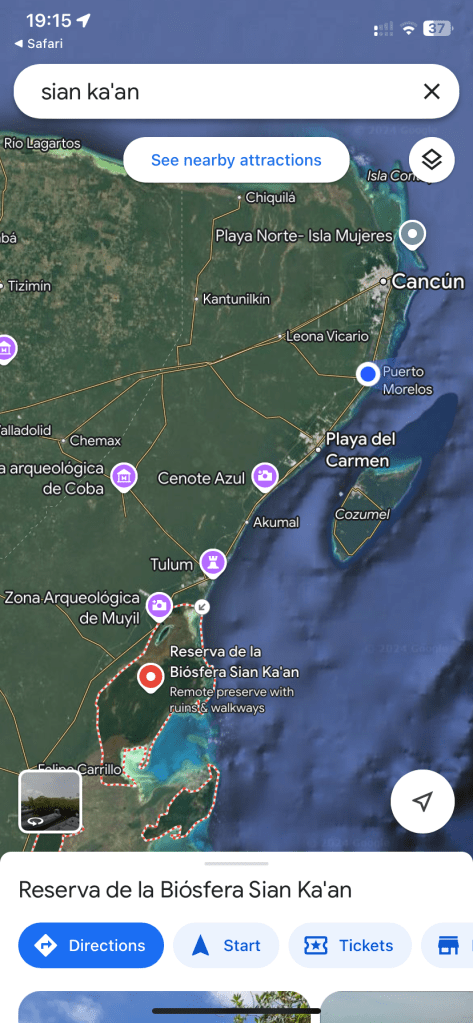
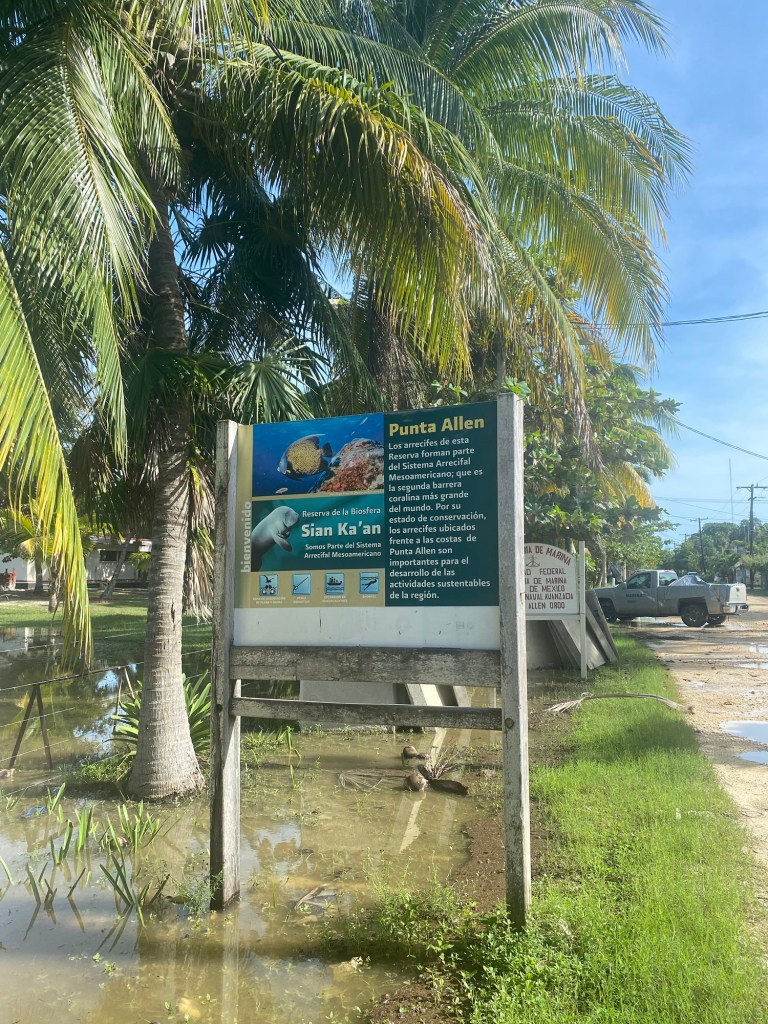
This year the training was in Punta Allen which is part of the Sian Ka’an Biosphere Reserve. Not long after I arrived in Mexico someone told me about the reserve and I googled it to see photos. It’s so beautiful!! I have wanted to go ever since. It’s one of the protected areas here in Mexico and the diving is said to be fantastic, so I was very excited to have this opportunity.

The plan was formed: Juana our Dive Coordinator and I would take all equipment we needed in the base truck and drive down in convoy with another car to reach the reserve. The day before we left our meet up plans were finalised and I packed ready for an adventure. Miguel had talked to us about what to expect, we had money for restaurants as we were in a budget hotel with no fridge or other facilities we could use to cook, and our dive gear and monitoring equipment were all ready! I picked Juana up at 7am and off we went.
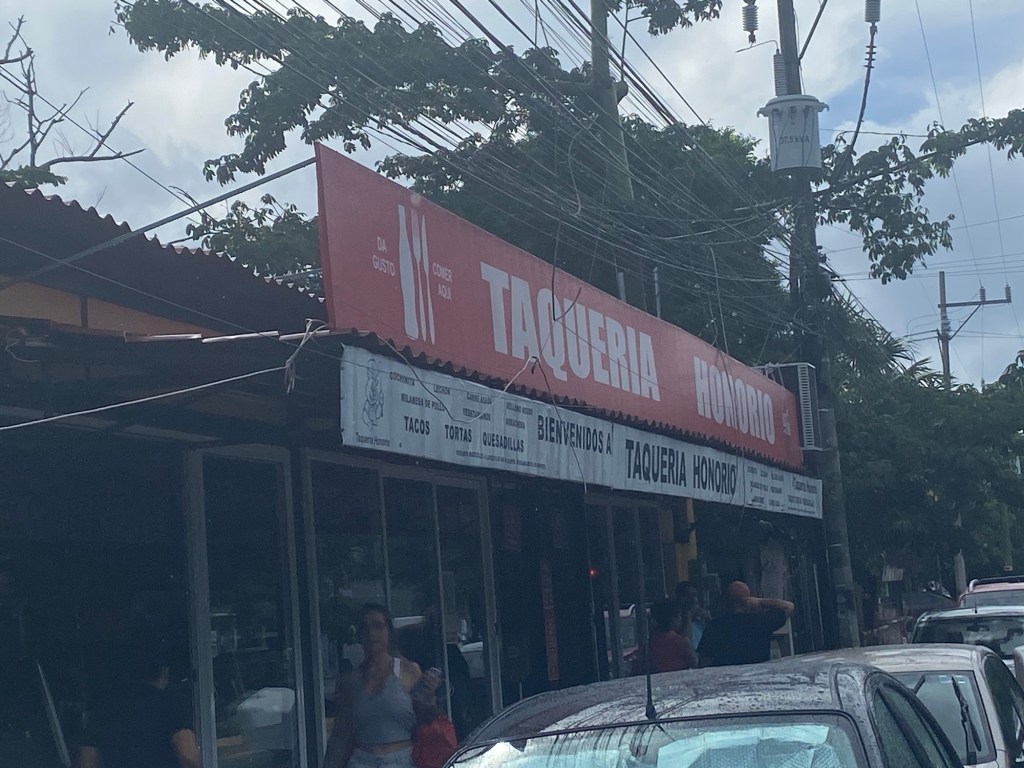
The drive is long, we made a stop after 60 miles in Tulum which is the last town before being out in the sticks and bought snacks, then met the other group for tacos. There is a series on Netflix “Taco Chronicles”, every episode is based in a different area in Mexico and they show you the places and families who make the best tacos in the area. (its worth a watch!!) We went to a restaurant in Tulum that is featured in the programme. I was excited, and the food was absolutely delicious!!!!
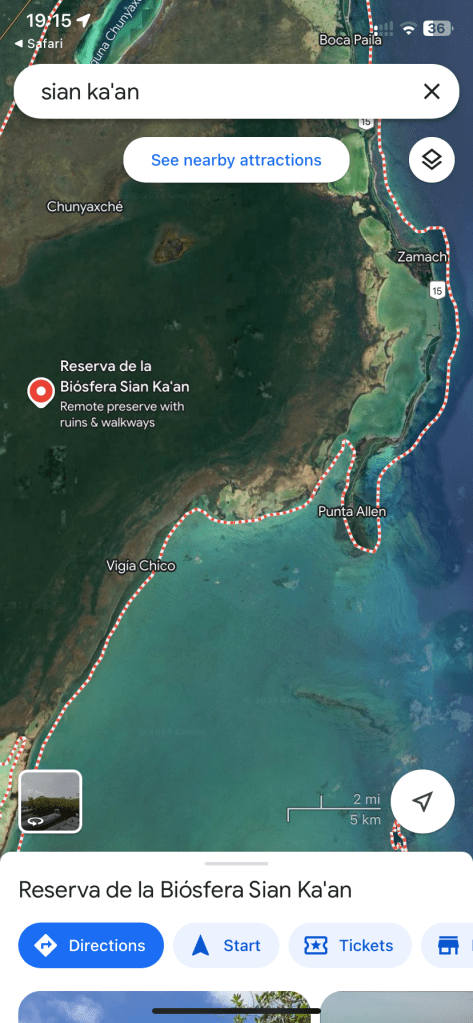
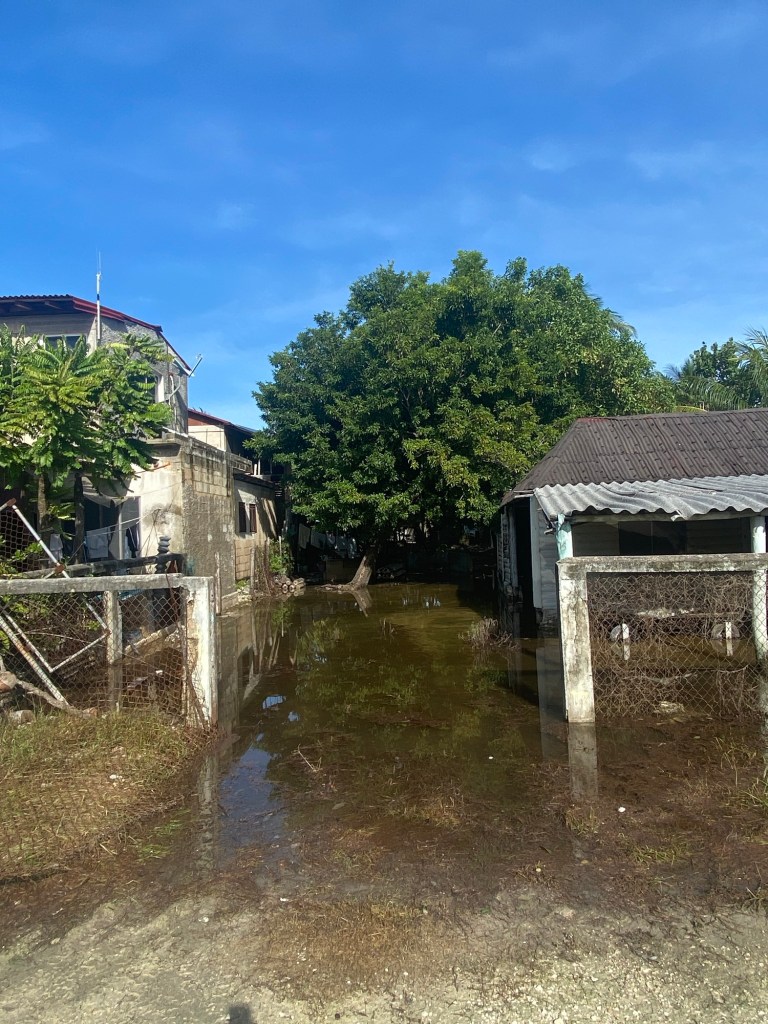
Juana and I were very glad that we had made that stop, mainly because the final stretch of road is so bad. Less than 40kms took us more than 2 hours, Devon potholes do not compare to these! I was glad to be in a Hilux. The rain was lashing down for most of the journey, I was concentrating hard on not damaging the truck in the deep holes, and we chatted and listened to music for the whole journey. It was a great way to get to know each other better. We were both so excited to finally arrive 6 hours after we had set off and see a new place. We arrived at the very small town, saw roads more like sandy paths (I refer you to my post about Holbox) covered in water, and worried about drowning the truck. We got to our room, quickly unloaded then had an hour before we met to assemble all of our gear. There were a few tables outside a little shack next to our room and a chalk board with a few different meals written on it so we chanced it and had a quick homemade lunch of empanadas and sopes. I asked for a receipt and was given a handwritten bill that was just the sum of the food we had ordered!! The food was definitely not nutritionally balance but was very tasty.

A meeting time and place had been set for us to meet our teams and assemble the equipment that we would be using for monitoring, our plan was to get the work done and then go and have a beer. The rain was still hammering down, we had no wifi, no phone signal and no electricity in our hotel! We met our team, assembled gear, made sure we had all of the underwater paperwork needed and after a couple of hours later we were finished. It was 9pm, time to explore and grab a beer!! Off we went in the truck, I was not risking my knee in these deep potholes, this was welly boot weather not for flip flops which is all I had. The town is small so it didn’t take us long to realise that there was not a bar or restaurant open. Now, those of you who know me will know that I’m partial to an evening drink, Juana and I were looking forward to relaxing after the long day but no! Instead we found a little shop where the shelves were empty and the man behind the till was about 90years old and looked like he never moved, but inside the fridge was a cold six pack of Dos Equis!! We took the beers back to the hotel, we had electricity (still no wifi) the power for the island is turned on twice a day, from 10-12 and I think 6-10pm, had our beers and snacks and chatted looking forward to a proper breakfast on the island in the morning.
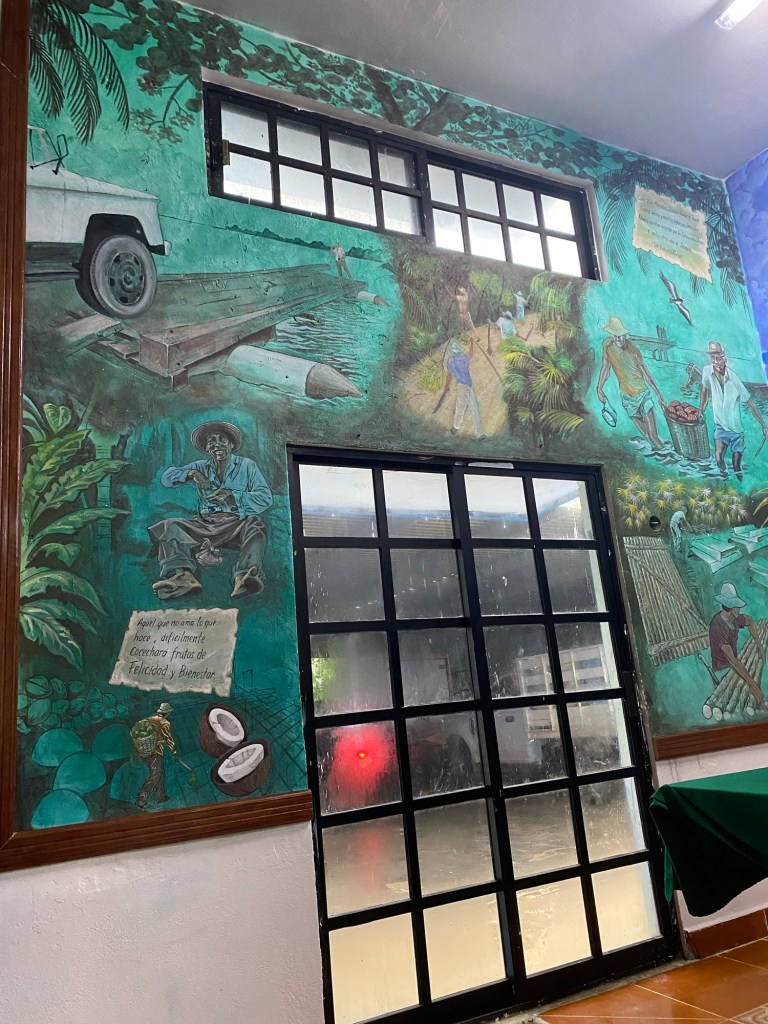
A grey morning arrived, it was still raining and dark so we dressed by torch light then we drove around to try and find breakfast, nothing. We went back to the shop to beg for hot water, thankfully Juana is Colombian and so Spanish is her first language. The wife of the man in the shop looked even older, and was very deaf, Juana was given instructions on where to get the water, how to boil it (kettles are few and far between and remember there’s no electricity in the morning!) and what to use to pour it without burning her hand. We left the lady drinking her coffee in which she had put little cheesy biscuits, then went to work with rumbling tummy’s. We were at the site on time and no-one else turned up, we had had no wifi to receive the message that told us they werent coming for another hour. At this point we hadn’t eaten for about 20 hours and we were hangry! When the rest of the team did turn up we went into a building owned by the fishing cooperative which has a fabulous mural inside explaining the history of fishing on the island. We explained the predicament and one of the fishermen said that his wife used to be a chef, she was cooking for the trainers and would be happy to accommodate us for all of our meals too. Juan went and got us some coffee and we all got stuck into learning. It was intense. All of the presentations and conversation was in Spanish. Thankfully a lot of the information I knew from my work on base, and the trainers spoke English so if I did have a question and didn’t understand the Spanish they were great.

We stopped for lunch at 2.pm, I was starving!, and went back to meet Lucy who was lovely and cooked three meals for us for the rest of our trip. Her little boy Caleb, 6, was great, he thoroughly entertained us at each of our meals and always greeted us with “hello my friend”. He and I practiced Spanish and English together by pointing things out and asking “how do you say?” or saying colors and numbers to each other. Caleb was a brilliant teacher and his mum and talked about traditional food in different parts of Mexico and she let me help with some of the prep.
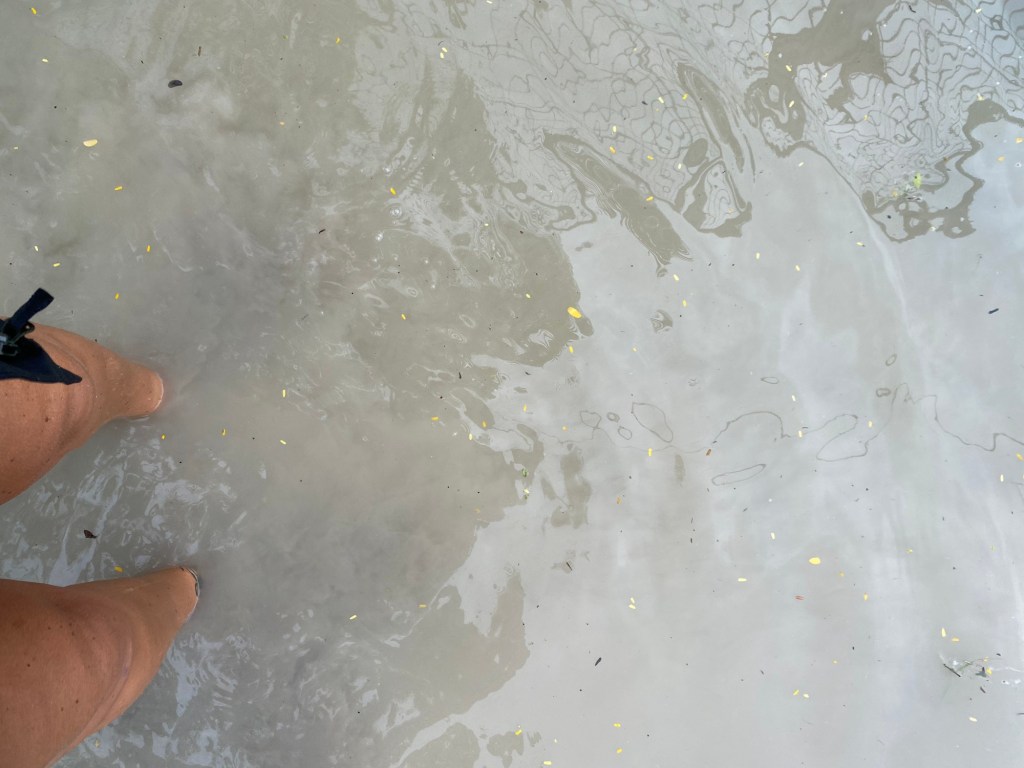


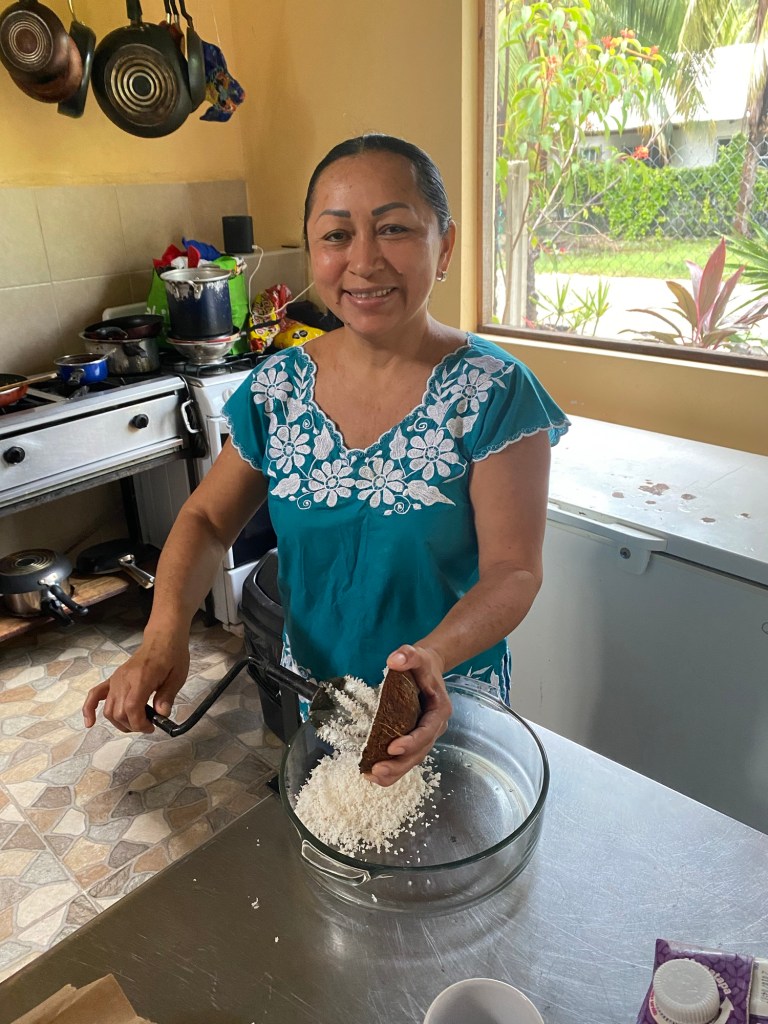


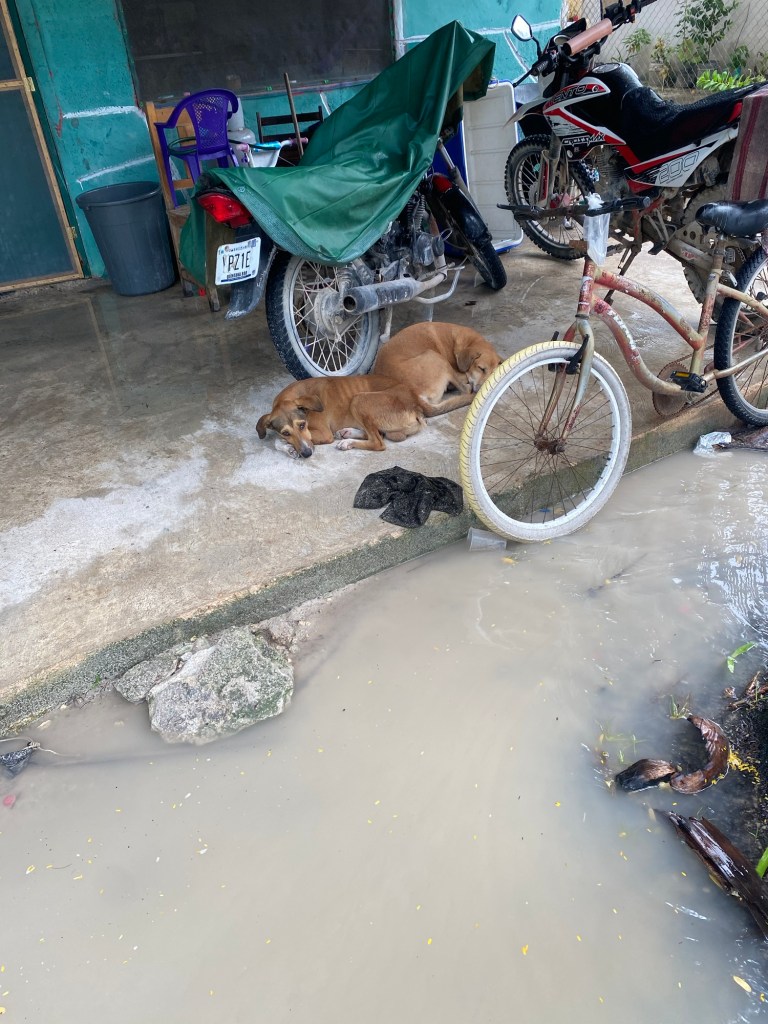
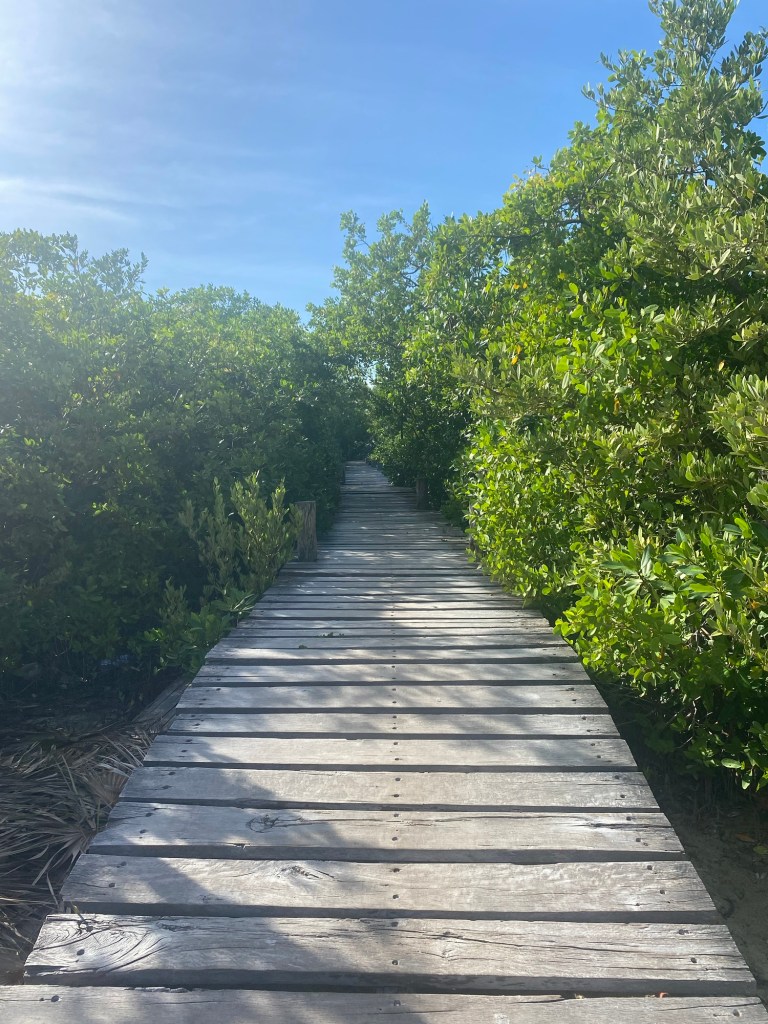
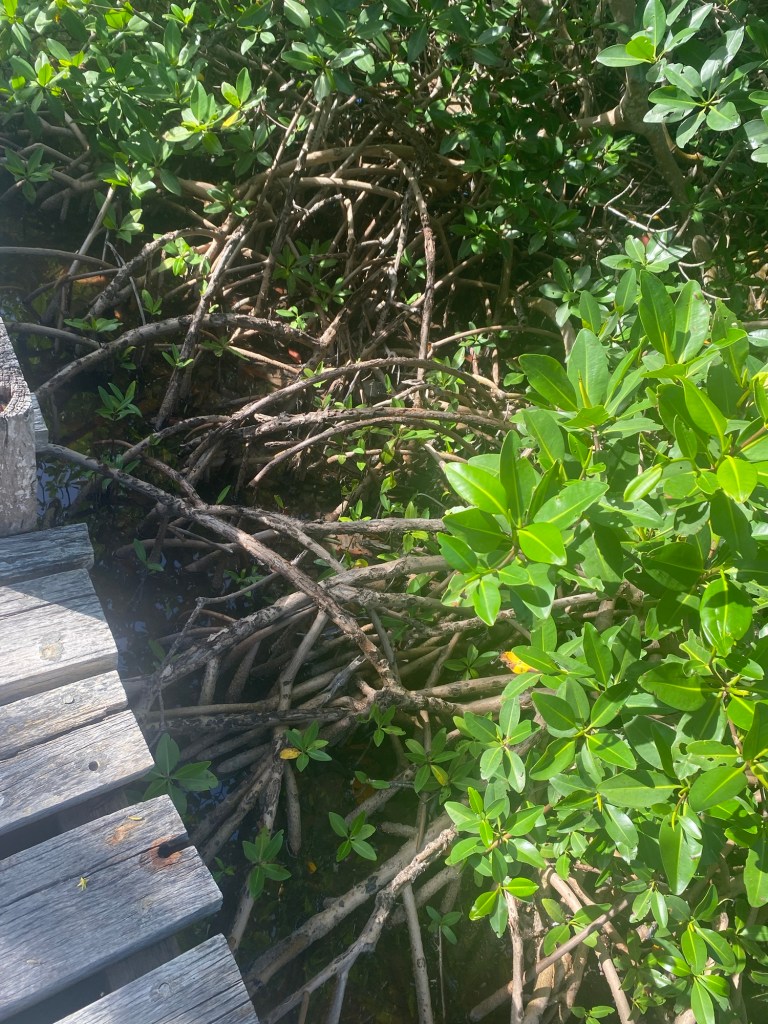
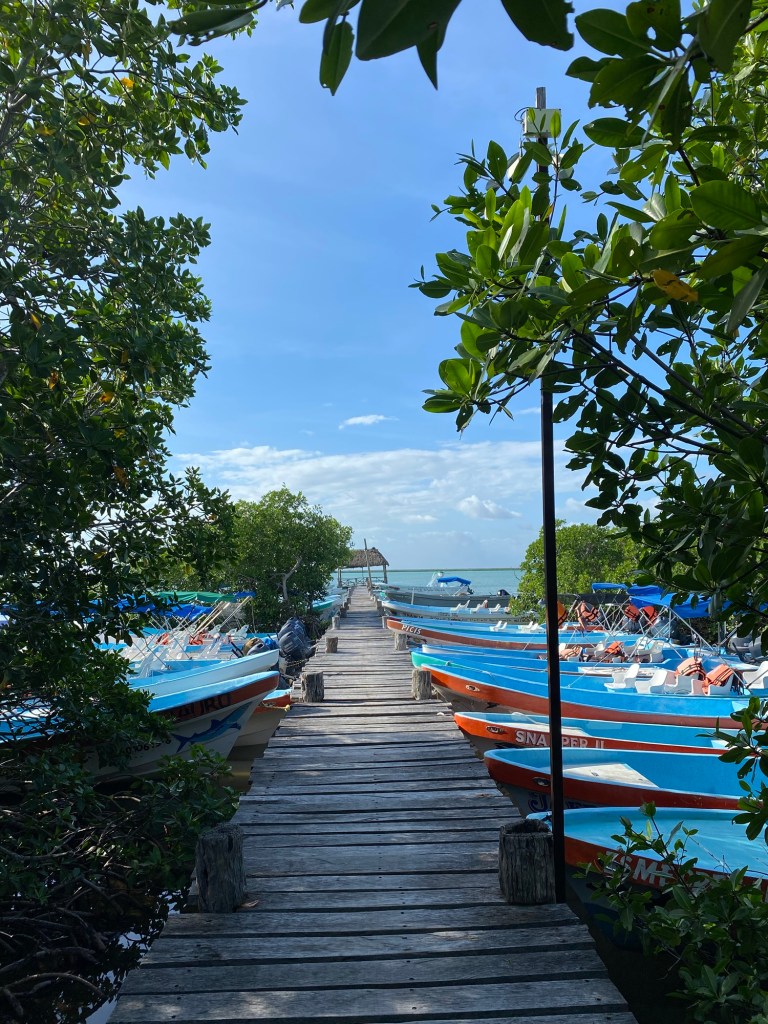
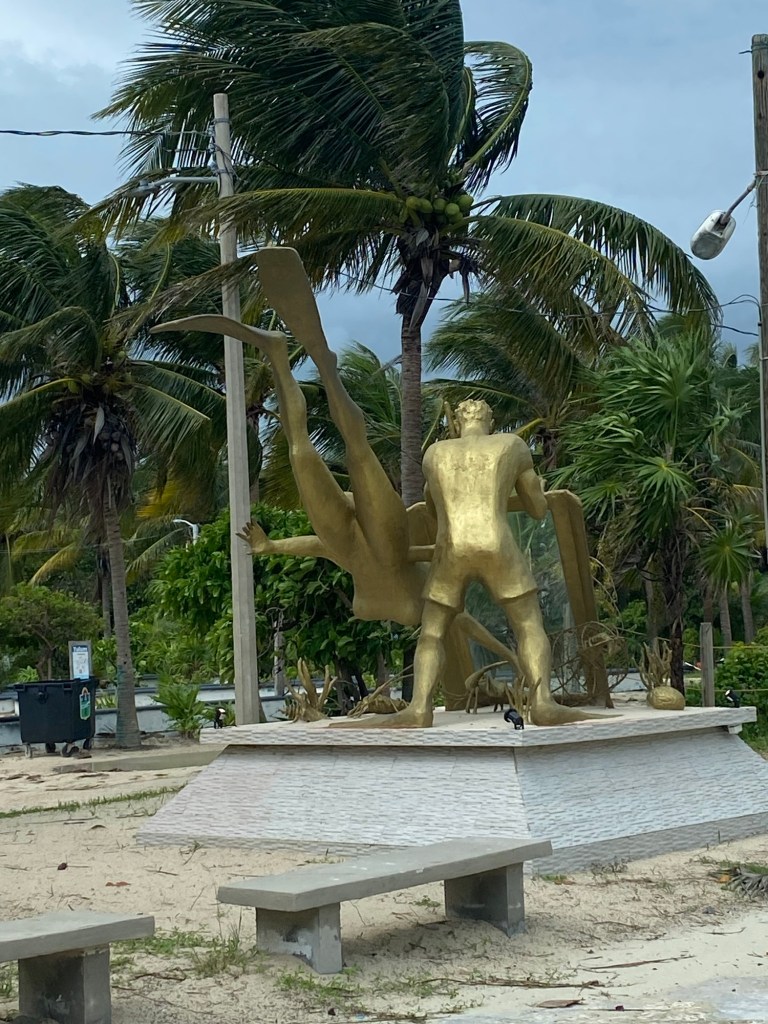
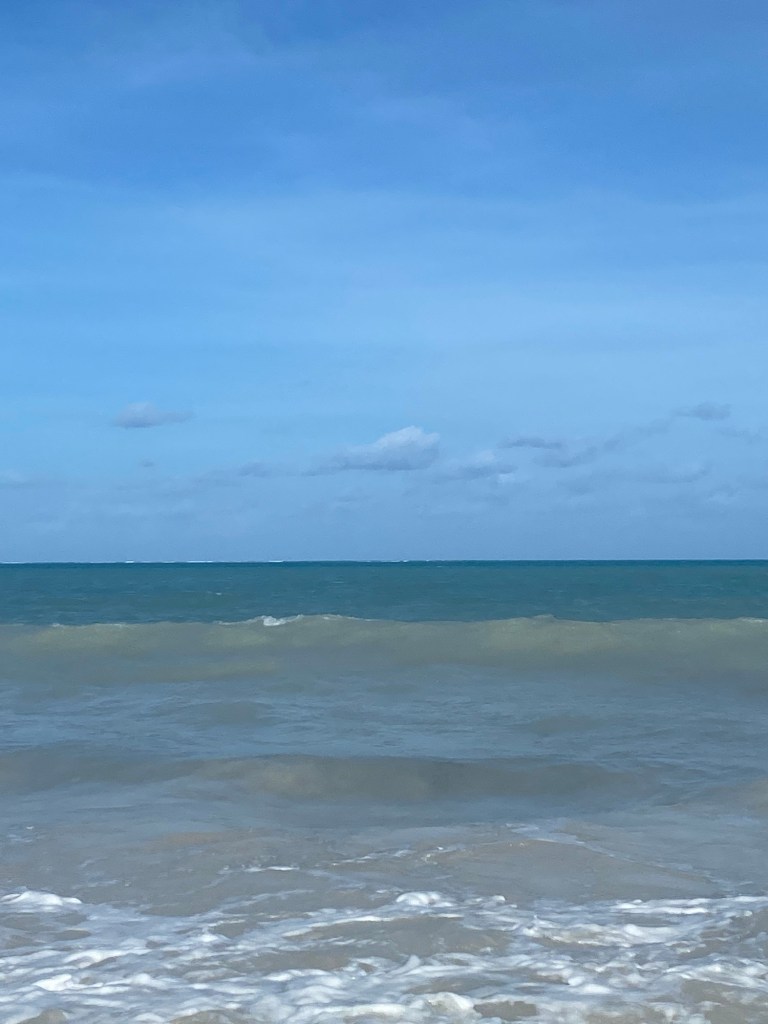
We had 4 days in Punta Allen, each day we got up, went to Lucy’s for breakfast. we did all of the theory we needed to do and I passed with 100%!! Learning the fish back on base definitely paid off. The sun came out the day before we were leaving so I took advantage and got some photos of the island, sliding around in the mud to make my way down some of the paths. We were still hoping to get the diving done before we left so that we would be certified to collect data, but the last morning the rain was coming down hard and a fisherman said he had been out to empty lobster pots and couldn’t see his hand in front of his face, so that was that. We had our final breakfast with Lucy, her lovely son Caleb, and the rest of the team and then headed back to Puerto Morelos. As if to tease us the sun came out again on our drive home, and Juana and I both regretted that we hadn’t been able to dive in this spectacular place. Maybe next time….
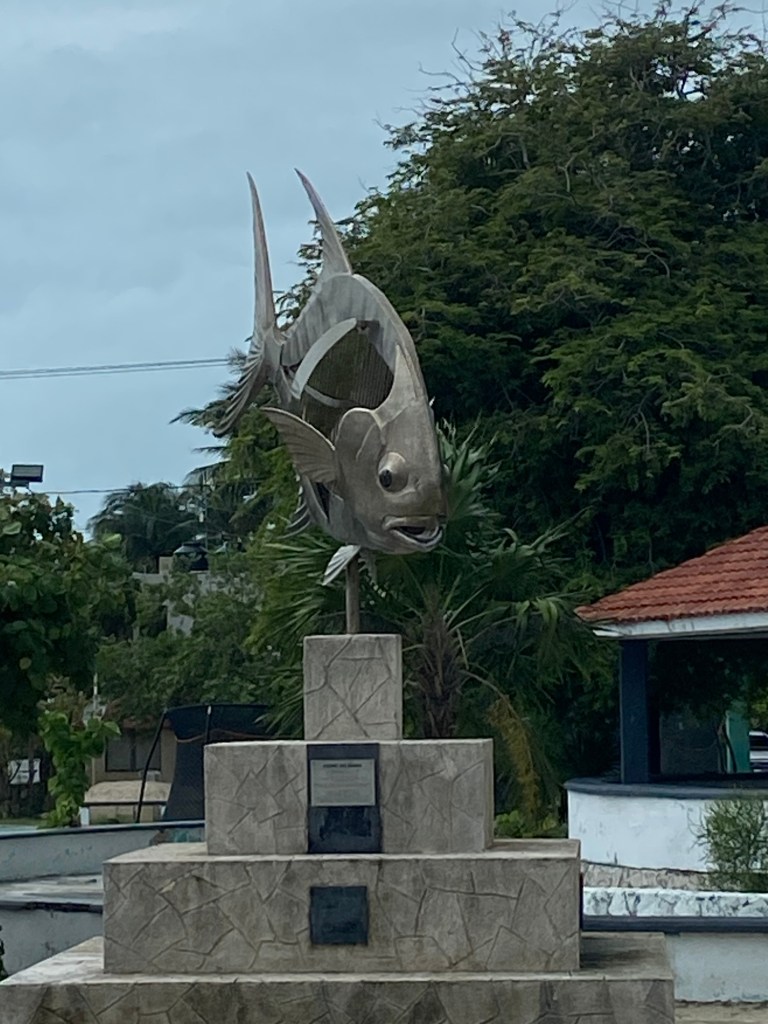










 Abi's Deep Dive
Leave a reply to Vanda Cancel reply